
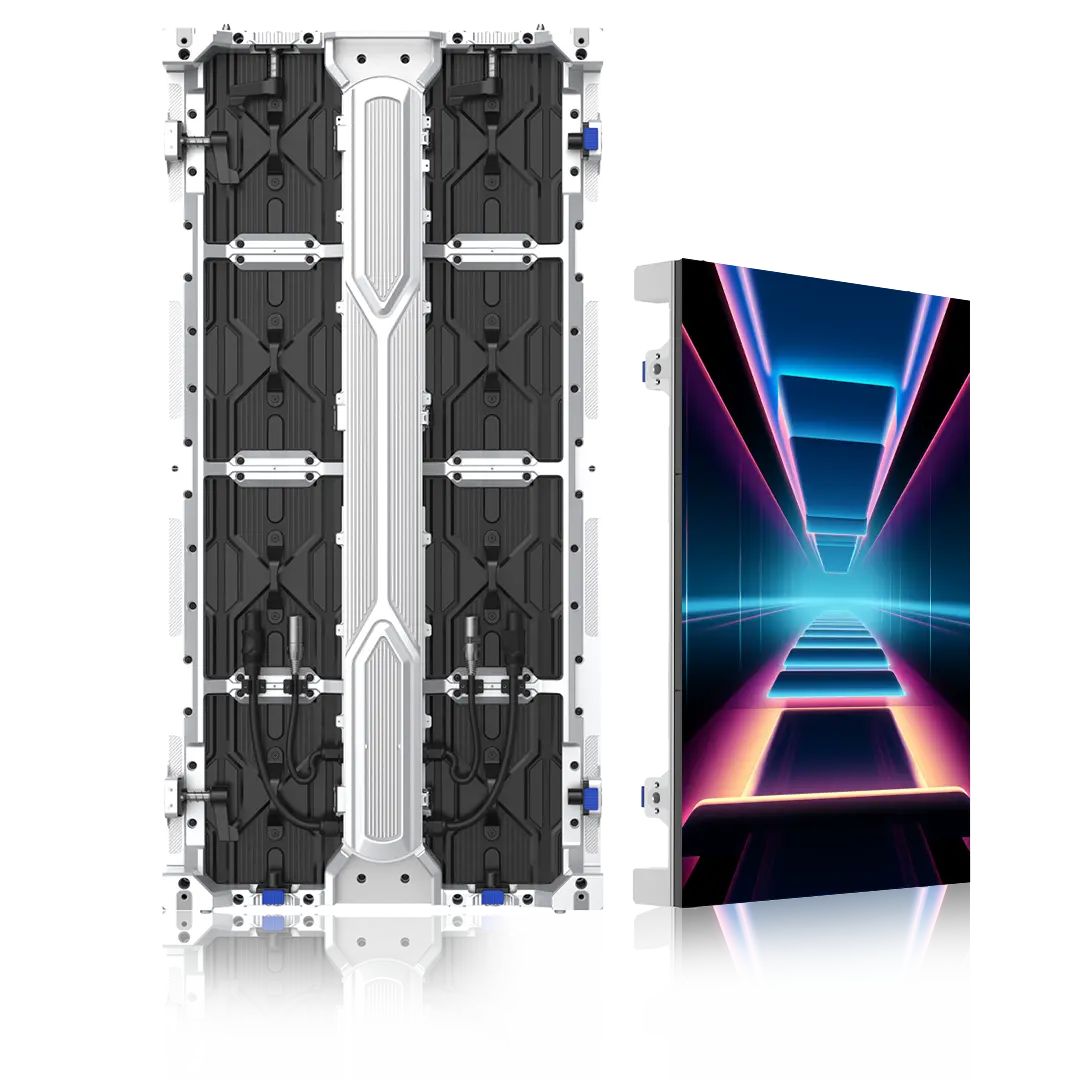

A single outdoor LED screen can be managed by hand. A network of twenty cannot. As digital out-of-home estates grow, the operational question shifts from how a screen looks to how reliably it can be controlled, measured and repaired without sending a technician to every site.
Content scheduling is the foundation. Most networks run a mix of paid campaigns, house content and public information, each with its own start and end time. A good content management system lets operators build playlists, approve creative, and push updates to selected screens or whole groups. The workflow should make it hard to publish the wrong file to the wrong site.
Brightness automation is the next layer. An outdoor screen that runs at full output after sunset becomes uncomfortable for nearby residents and wasteful for the operator. Light sensors and scheduled dimming curves keep the display within local rules while preserving contrast. The best systems log brightness changes, so the operator can prove compliance when a complaint arrives.
Remote monitoring turns faults into tickets before viewers notice. Temperature, power supply status, cabinet condition and signal health can all be reported back to a control room. When a module fails, the system should identify the cabinet and the spare part, not just flag that the screen is offline.
Connectivity choices shape the design. Fibre is preferred where it is available, but many sites rely on cellular links or a mix of both. The control platform should tolerate short outages, cache the current playlist, and resume playback without manual intervention. Cyber security belongs in the same conversation: separate networks, restricted accounts and audit logs are not optional for public-facing infrastructure.
p>Proof-of-play reporting matters commercially. Advertisers increasingly ask for evidence that their content ran at the right time and on the right screen. A platform that records playback events, brightness levels and uptime makes those reports straightforward and reduces disputes.
Field service still decides the customer experience. Remote teams can diagnose, but someone has to replace a module or clean a face. Spare parts, access equipment and response times should be agreed alongside the hardware contract. A screen with excellent software and slow spares is still a weak installation.
Architecture is the next decision. Some networks keep a media player at each site and push only playlists and updates; others rely on a central cloud platform with thin clients. The first approach tolerates poor connectivity better, while the second is easier to update at scale. Many operators end up with a hybrid, and the control system should support that without duplicating work.
Approval and version control protect the brand. Campaigns arrive from agencies, get reviewed internally, and sometimes change after they go live. A good platform keeps a history of every version, records who approved it, and makes rollback simple. Without that trail, a late change can become a dispute about what actually ran.
Emergency messaging needs a separate path. Public information, weather warnings or safety notices may have to override commercial content immediately. The system should allow authorised users to take over selected screens without rebuilding the schedule, and it should log the override for later review.
Service levels should be written around the network, not the individual screen. Response times, spare stock, remote diagnosis and on-site repair all affect revenue. Operators should ask how the supplier handles a failed cabinet in a busy city centre, and whether the same process works in a remote region.
Operators evaluating outdoor LED displays should test the whole chain: content upload, scheduling, brightness control, alerting and reporting. Ask for a demonstration using a realistic campaign, not a single test image. The network that scales is the one whose routine operations are boring, repeatable and easy to audit.